


%20-%20Hyde%20October%202022/DSC05700.jpg?width=300&name=DSC05700.jpg)
%20-%20Seaforth%202024/Low%20Res/DIS-HAR5-ausmar-sunshine-coast-harmony-display-home-seaforth%20(73).jpg?width=300&name=DIS-HAR5-ausmar-sunshine-coast-harmony-display-home-seaforth%20(73).jpg)
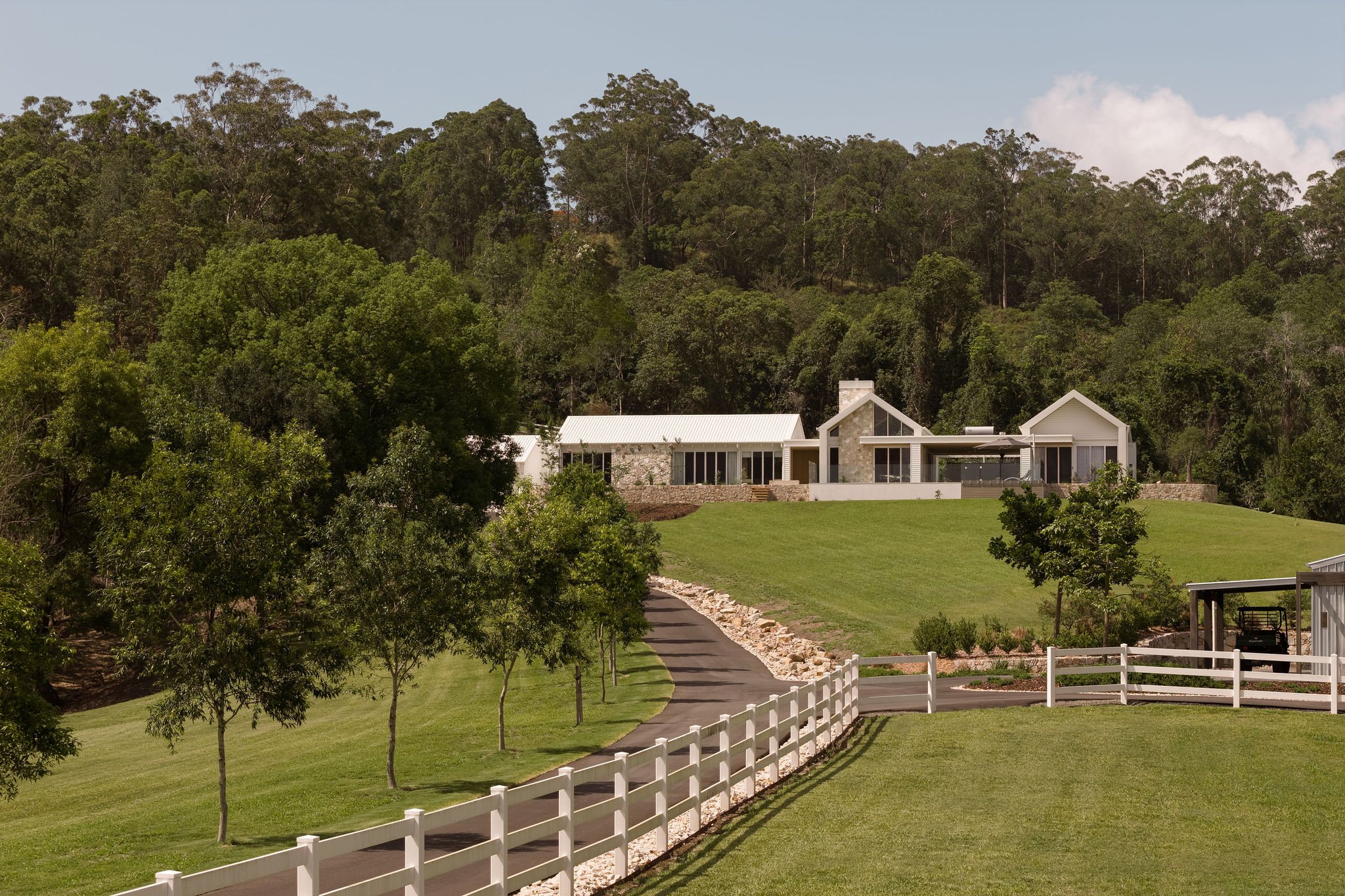
If you’re planning to build a new home in Queensland, understanding what actually influences the final cost can make it much easier to set a realistic budget.
House prices, land values and construction costs don’t always move in the same direction. Even when the established property market slows or land becomes more affordable, the cost of building a new home can remain under pressure.
So, what actually affects the cost to build a house in Queensland?
Why Have Home Building Costs Increased?
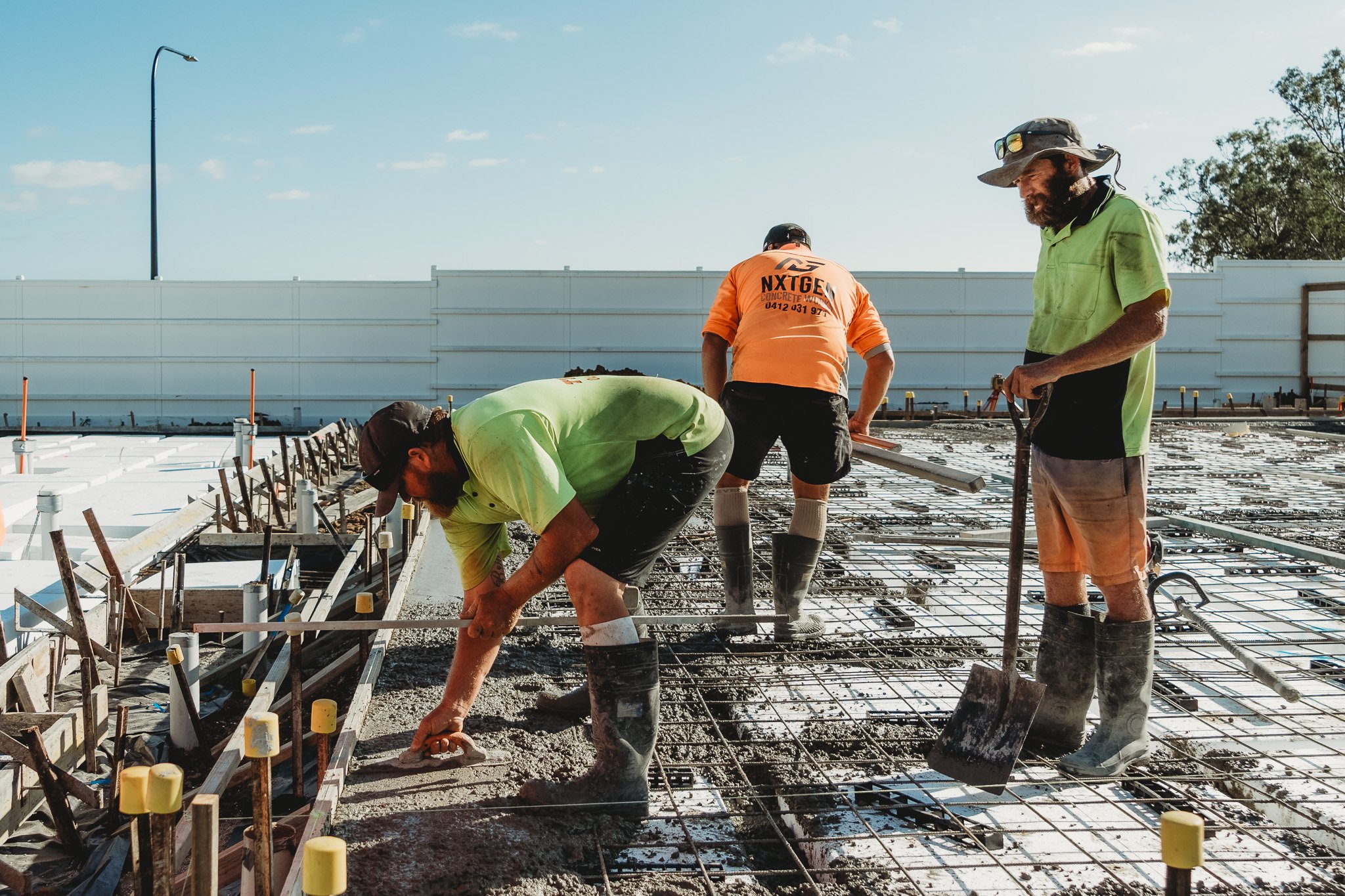
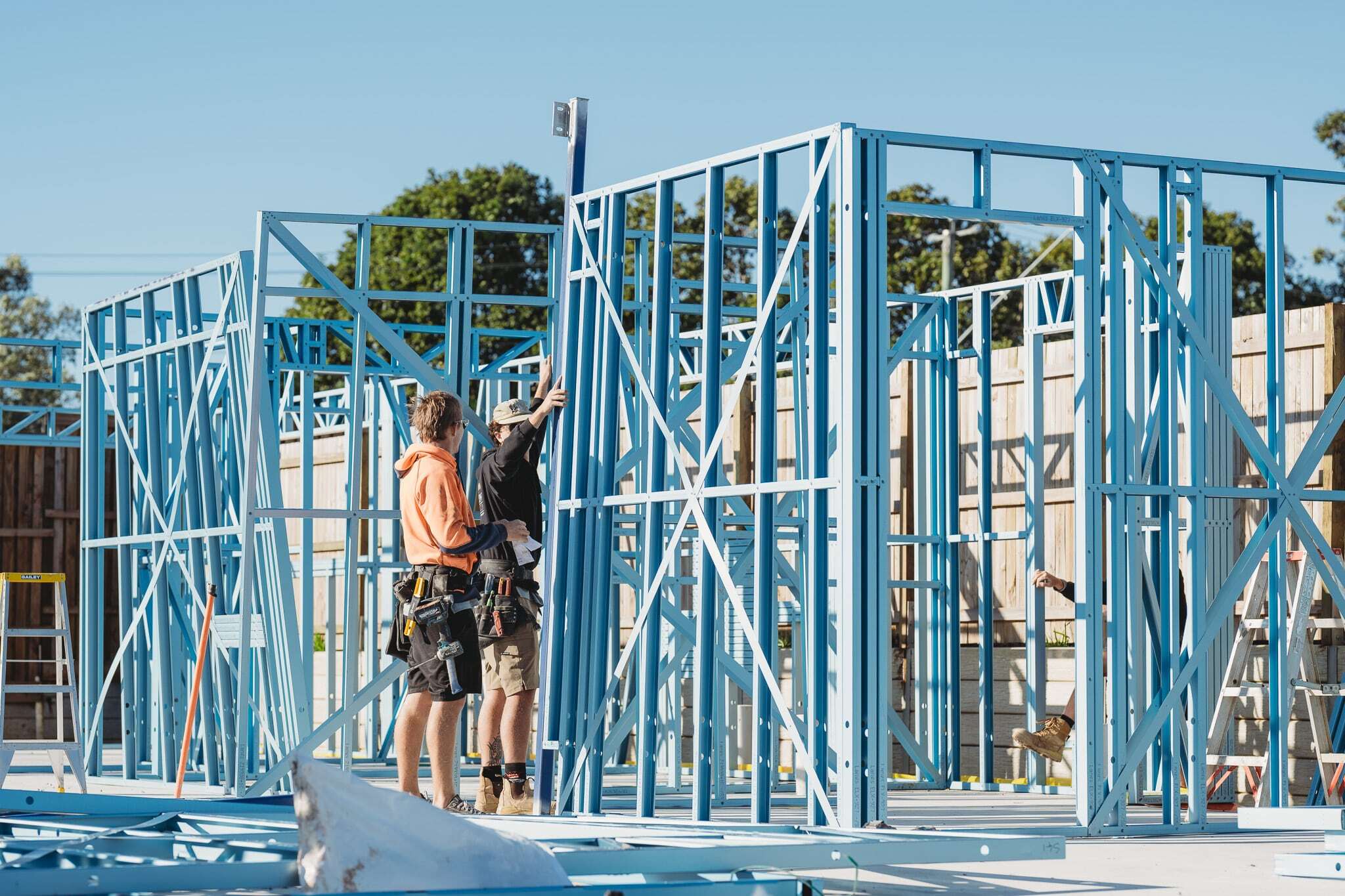
The cost of building a home is influenced by everything from materials and labour to transport, site conditions and demand across the wider construction industry.
Recent analysis from the Insurance Council of Australia found that construction costs in Queensland have risen by around 45% since 2021 [1]. The same research found significant increases across commonly used building materials, including roof tiles, windows, plaster, plywood, structural steel, cement and concrete.
It means changes in the property market don't necessarily translate into the same changes in new-home construction costs.
The price of land might change, for example, while the cost of concrete, timber, roofing, trades and transporting materials to site moves differently.
What Determines the Cost of Building a House?
There isn’t one standard price to build a home because every project is different.
Several factors can have a significant impact on your overall building budget.
1. Your Home Design
The size and complexity of the home are major factors.
A larger floor plan will generally require more materials and labour, but size isn't the only consideration. The number of storeys, bathrooms, wet areas, structural requirements and architectural features can all influence construction costs.
Choosing a home design that suits both your block and budget from the beginning can help reduce unnecessary changes later.
2. Your Block and Site Conditions
Two people can build the same home design and have different site costs.
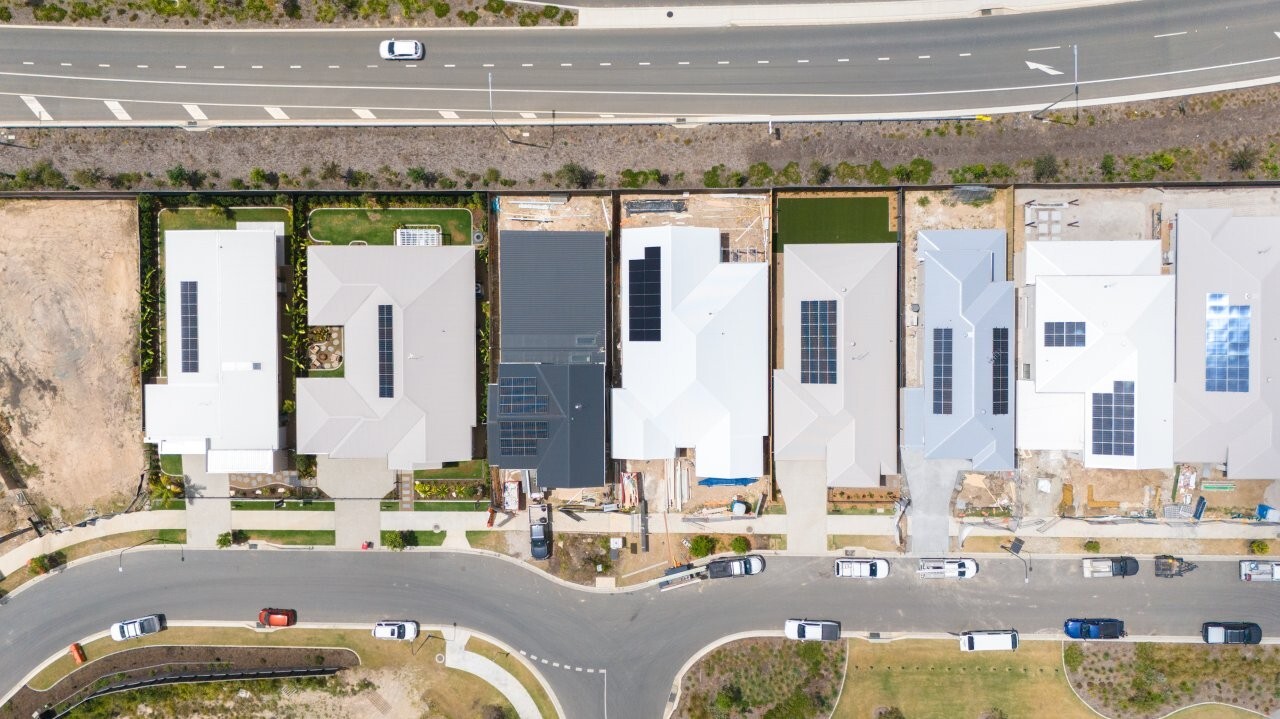
The slope of the block, soil conditions, retaining requirements, access, services and engineering can all affect what is required before and during construction.
This is why looking at the advertised price of a home design alone doesn't always give you the full picture.
Understanding your block early can help identify potential costs before you progress too far through the building journey.
3. Materials and Labour
Building a new home involves a large network of suppliers and skilled trades.
Changes in the cost or availability of materials such as concrete, steel, timber, roofing, plaster and windows can influence construction pricing.
Labour availability matters too. When demand for skilled trades is high across housing, infrastructure and disaster-repair work, that demand can place further pressure on the construction industry.
4. Inclusions and Selections
When comparing builders, it's important to look beyond the headline price.
One quote may include items that another treats as an upgrade or allowance.
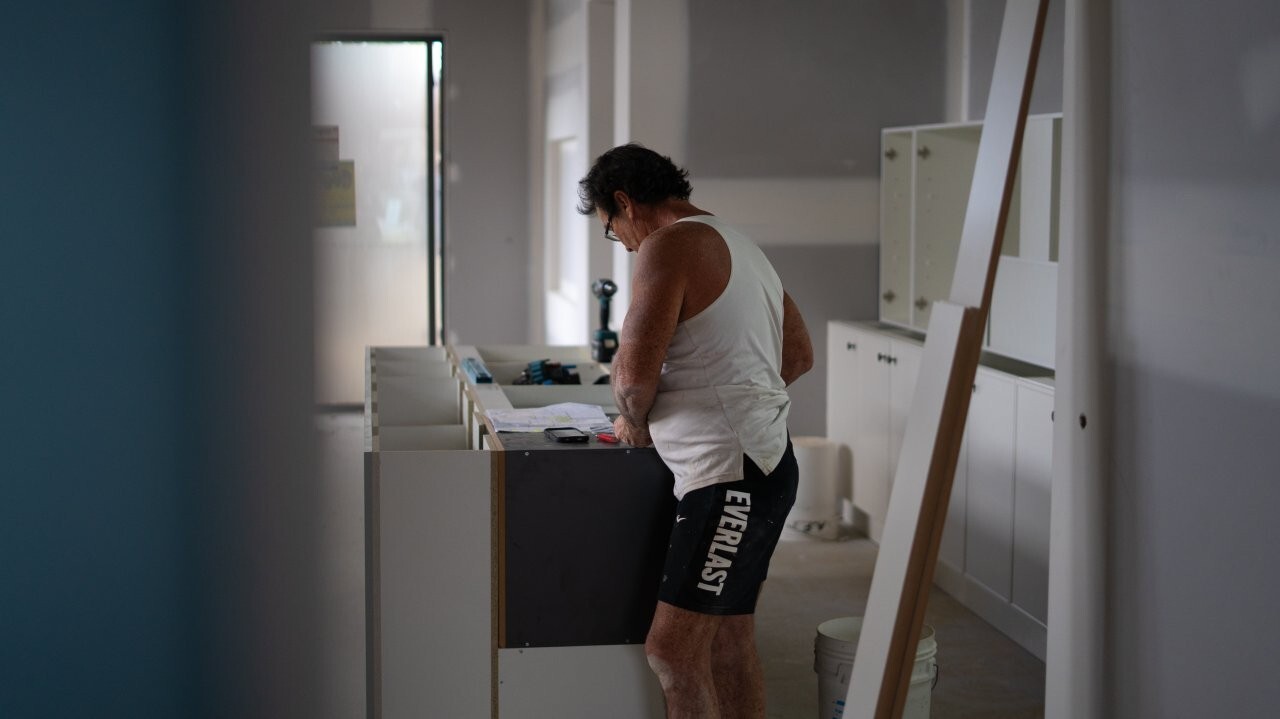
Flooring, cabinetry, electrical, appliances, tapware, ceiling heights and other selections can all change the overall cost of your home.
Ask what is included as standard, what has been allowed for and what could result in additional costs. Comparing quotes like-for-like gives you a much clearer understanding of what you're actually getting for your budget.
What Are Provisional Sums and Allowances?
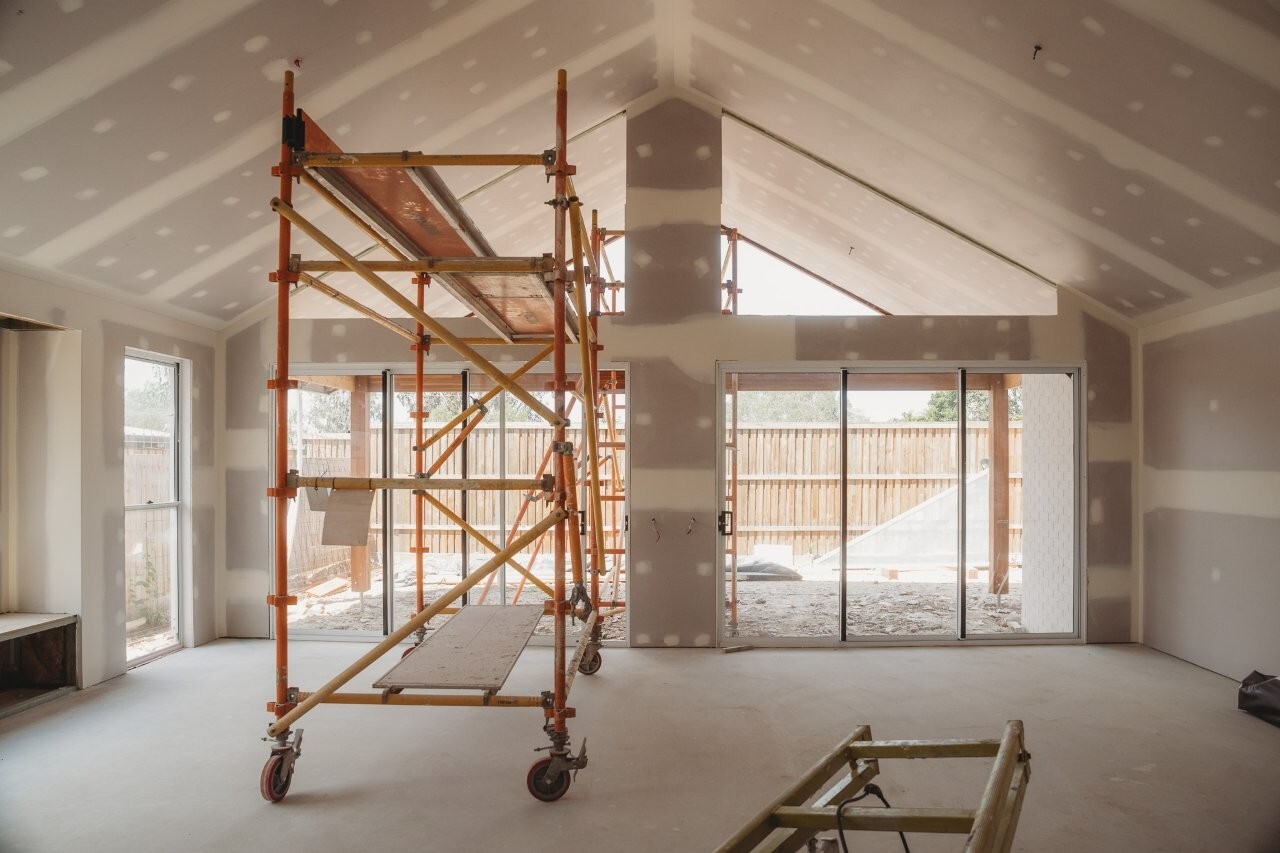
Allowances are estimates included for items where the final cost may not yet be known.
This can sometimes apply to site-related works or selections that haven't been finalised when the initial pricing is prepared.
Before signing a building contract, understand where allowances have been used and what could cause those amounts to change.
A lower initial quote isn't necessarily better value if significant costs haven't been fully accounted for.
Does a Softer Property Market Mean Building Will Become Cheaper?
Not necessarily.
Established homes, residential land and new-home construction are different markets.
Existing property values are influenced heavily by buyer demand, interest rates, supply and location. Construction pricing is also affected by materials, labour, transport, regulation and the level of activity across the construction industry.
That means an established home could fall in value while the cost of constructing a new home continues to increase.
For homebuyers, it makes understanding the complete cost of a project more important than trying to time the market based on property prices alone.
How Can You Get More Price Certainty Before Building?
Start with the three things that have the biggest influence on your project: your budget, your block and your home design.
Before committing to a build:
- Choose a design suited to the size and conditions of your block.
- Understand what is included in the advertised price.
- Ask about site costs, allowances and exclusions.
- Compare builder quotes on a like-for-like basis.
- Make key design and inclusion decisions early.
- Allow room in your overall budget for external costs and future changes.
Having these conversations early gives you a much clearer picture of what your new home is likely to cost.
Planning to Build in South East Queensland?
Building a new home is a major investment, and price is only one part of the decision.
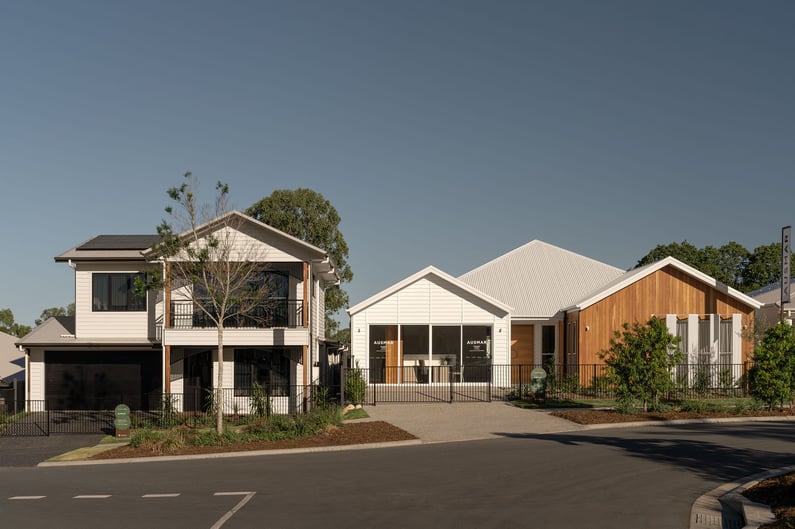
AUSMAR builds across the Sunshine Coast, Moreton Bay, Gympie and Brisbane's northern suburbs, with home designs available for a range of block sizes, lifestyles and budgets.
If you're considering building, explore our home designs or speak with our team about your block, budget and the options available.
Explore our home designs or get in touch with AUSMAR to start planning your new home.